How to Use an Electric Blanket: A Step-by-Step Guide
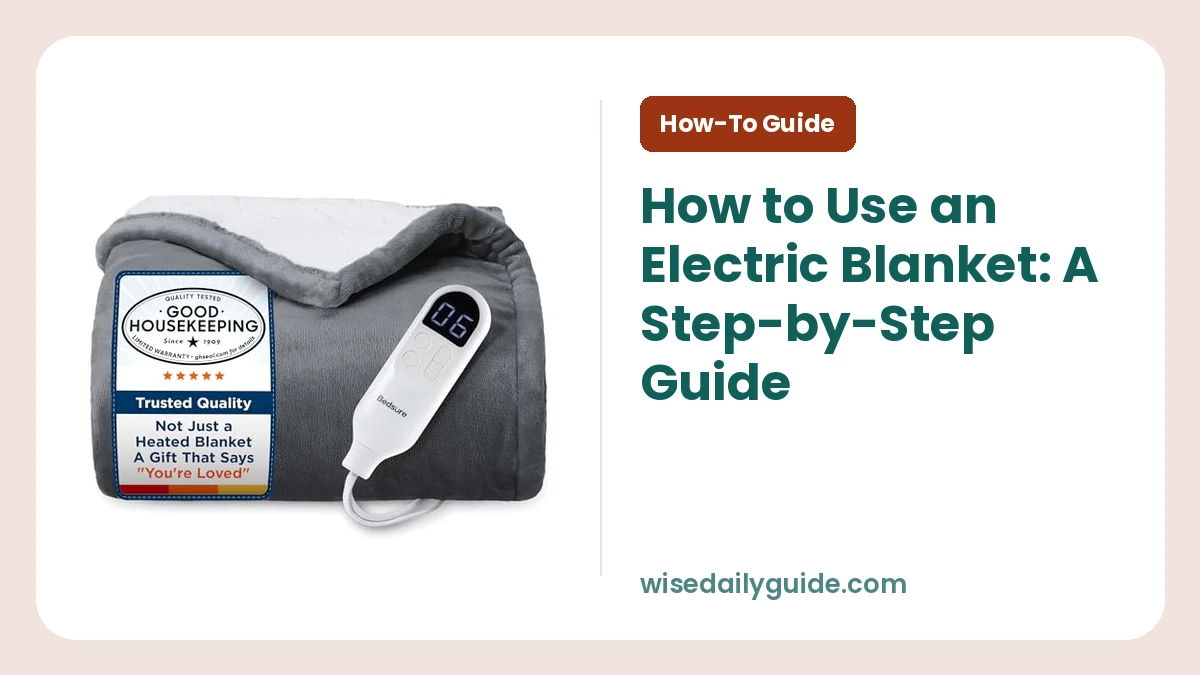
Here is how to use an electric blanket safely: lay it flat on top of your bottom sheet, connect the controller, and preheat the bed on a medium setting for 10 to 20 minutes. Then lower the heat before getting in. Always follow your blanket’s care label and manual first, since controller layouts and placement rules vary by model.
A basic setup takes about five minutes. The key is simple: keep the blanket flat and dry, avoid pinching its wires, and use the lowest comfortable setting rather than leaving it on high all night.
What You Need Before You Start
Gather a few things before you plug anything in:
- An electric blanket and its matching controller
- A clear, dry bed or sofa
- A wall outlet within reach of the controller cord
- Your blanket’s manual or care tag
- A fitted sheet and top sheet, if you are using it on a bed
Check that the controller connector is fully attached and that the blanket has no damaged fabric, exposed wires, scorch marks, or bent plug prongs. Do not use a blanket with visible damage. Unplug it and contact the manufacturer for guidance.
How to Use an Electric Blanket Step by Step
1. Spread the blanket completely flat
Place an electric overblanket over the fitted sheet and beneath your usual top bedding, unless the manual says otherwise. The softer finished side should face you on most models, but check the label because construction varies.
Smooth out folds and bunches with your hands. Heating wires are designed to warm a flat surface. A folded section can trap heat and cause uncomfortable hot spots.
Do not tuck the sides tightly under the mattress. Also keep the controller and plug outside the bed, where you can reach them easily.
2. Connect the controller before plugging it in
Find the connector at the edge of the blanket and push the matching controller plug straight into place. It should sit securely without force. Never pull on the wire itself to make the connection.
Next, plug the controller into a working wall outlet. A direct wall connection is the safer choice. Avoid extension cords, overloaded power strips, and outlets that feel loose or warm.
For dual-control blankets, connect each controller to its own side before turning either one on. Each person can then choose a different heat level.
3. Start on a medium setting to preheat the bed
Turn the control on and choose a middle setting. Let the blanket warm the bed for 10 to 20 minutes while it lies flat and uncovered by your body.
Preheating removes the initial chill from sheets and makes lower overnight heat more comfortable. You do not need to start at the highest setting. High heat is best reserved for a brief warm-up period when your manual permits it.
Keep heavy items off the blanket while it heats. A laundry basket, laptop, heating pad, or stacked pillows can block heat from escaping.
4. Adjust the heat after you get into bed
Lower the setting once the bed feels warm. Many people find a low setting comfortable for resting, especially under a regular comforter that already holds heat.
The blanket should feel gently warm, not hot enough to make you sweat. If you wake up too warm, turn it down one level rather than throwing off the blanket. Small changes give your body time to adjust.
5. Set the timer or auto shut-off feature
Use the timer if your controller includes one. The auto shut-off feature turns the blanket off after a set period, which helps prevent it from running longer than needed.
Some models shut off after a few hours, while others let you select the run time. Do not assume every blanket has this function. Check your electric blanket instructions, then turn the blanket off manually before sleeping if the model is not made for overnight use.
A timer does not replace basic safety habits. Keep the blanket flat, dry, and clear of damaged cords every time you use it.
6. Turn it off before you leave the bed or room
Switch the controller off when you are done warming up or when you leave the room for an extended time. Unplug it after use if you will not need it again soon.
Pull the plug from the outlet by the plug body, not the cord. This protects the connection inside the cord and reduces wear over time.
7. Let the blanket cool flat before storing it
Wait until the blanket is fully cool. Then lay it flat or fold it loosely along its natural lines. Do not sharply crease the same spot repeatedly, especially where wires run through the fabric.
Store it in a dry spot away from direct sunlight, heavy boxes, and damp basements. Disconnect the controller only as directed in the manual.
How to Use an Electric Blanket for the First Time
For first use, inspect the blanket before putting it on the bed. Confirm that the controller, plug, fabric, and seams are intact. Then read the care label for the approved setup, because heated mattress pads, throws, and overblankets have different placement rules.
Run the blanket for a short preheat cycle while you stay nearby. This helps you learn how quickly it warms and where the controller buttons are. A new blanket can have a faint fabric or packaging smell at first, but there should never be a burning odor, smoke, sparks, or crackling sound.
Turn it off immediately and unplug it if you notice any of those warning signs. Do not try to repair a controller or wire yourself.
Electric Blanket Settings Explained
Electric blanket controls differ, but the setting numbers usually represent heat levels, not an exact temperature. A setting of 1 is commonly the lowest heat, and the highest number provides the most heat. The actual warmth changes with your room temperature, bedding layers, and body position.
| Setting range | Best use | How long to use it |
|---|---|---|
| Low | Staying comfortable in a cool room or sleeping, if your blanket permits overnight use | Use with the timer or auto shut-off feature |
| Medium | Preheating a cold bed or relaxing on the sofa | About 10 to 20 minutes, then lower it |
| High | Briefly warming a very cold bed, only if the manual allows it | Use briefly and reduce once warm |
Start lower than you think you need. Thick quilts trap warmth, while a thin top layer lets more heat escape. For a dual-control blanket, keep each side at the setting that feels right rather than trying to match levels.
Never use an electric blanket with another heated product, such as a heating pad, heated throw, or heated mattress pad, unless both manufacturers clearly allow that combination. Stacked heating products can create too much heat in one area.
Electric Blanket Beginner Tips for Safer, Better Use
These electric blanket beginner tips prevent the problems people run into most:
- Keep the controller on a bedside table or outside edge of the bed. Do not place it under a pillow or blanket.
- Do not sit, kneel, or place heavy furniture on a heated blanket. Pressure can damage internal wires.
- Keep drinks, damp towels, and wet hair away from the blanket and controller.
- Do not use pins, safety pins, or sharp clips to hold the blanket in place.
- Check the blanket before every cold season, even if it was stored carefully.
- Keep pets from scratching or chewing the blanket cord. Use another bedding layer over it when needed.
Extra caution is needed around people who cannot reliably feel heat, adjust the controls, or move away from the blanket. This includes infants and people with reduced sensation or limited mobility. Follow the manufacturer’s age and use guidance, and ask a clinician for individualized advice when a health condition affects heat sensitivity.
How Often Should You Use an Electric Blanket?
You can use an electric blanket whenever its manual allows, provided it stays in good condition and you follow its timer and overnight-use guidance. Many people use one to preheat the bed nightly during cold weather, then switch it off before sleep.
Inspect it each time you put it on the bed. Check more closely at the beginning and end of the season. Look for thin spots, lumpy areas, frayed cords, loose connectors, and controls that do not respond correctly.
Cleaning schedules depend on the model and how you use it. Follow the care tag exactly, especially for washing and drying. Water, heat, and rough handling can damage electrical parts when used incorrectly.
Energy Use: What to Expect From an Electric Blanket
An electric blanket uses electricity to warm a small area close to your body. Its energy use depends on its wattage, heat setting, and how many hours it runs. The wattage appears on the label, packaging, or manual.
You can estimate kilowatt-hours with this simple formula:
watts × hours used ÷ 1,000 = kilowatt-hours used
For example, a 100-watt blanket used for two hours uses 0.2 kilowatt-hours. Lower settings may draw less power on some models, but the exact amount depends on the controller design and warming cycle.
Preheating for a short period and using the auto shut-off function keeps use more controlled than leaving the blanket on high. It also gives you a more comfortable bed without excessive warmth.
Common Mistakes That Make an Electric Blanket Less Safe
The biggest mistake is using the blanket while it is folded or bunched up. Smooth it flat every time. Do not use it on a waterbed unless the manufacturer specifically says it is approved for that use.
Another problem is using the wrong controller. Controllers are not interchangeable unless the manufacturer states that they are. A controller from another blanket may fit physically but still be unsafe or fail to heat correctly.
Avoid covering the controller, sleeping on top of an overblanket, and running cords under rugs or mattresses. Each situation can trap heat, strain the wire, or make it harder to spot damage.
What to Do If Your Blanket Does Not Feel Warm
First, confirm that the outlet works by testing it with another small device. Then make sure the connector is fully seated and the controller is switched on at a medium setting. Give the blanket 10 to 20 minutes to warm while it lies flat.
Some blankets do not feel very hot to the touch because they are designed for steady, gentle warmth. Place your hand over the blanket after it has had time to heat, rather than judging it immediately.
Unplug the blanket and stop using it if the controller flashes, the heat is uneven, the cord gets hot, or you notice a burning smell. Check the manual’s troubleshooting section or contact the manufacturer. Do not open the controller or attempt wire repairs.
Set Up Your Blanket Once, Then Make It a Habit
Start with a flat, dry blanket, a secure controller connection, and a low-to-medium preheat. After a few uses, you will know which setting warms your bed without making it stuffy.
Keep the manual in an easy-to-find place. It is the best source for your model’s approved timer setting, cleaning method, and overnight-use instructions.
Frequently Asked Questions
Can you sleep with an electric blanket on all night?
Only sleep with an electric blanket on all night when the manufacturer says it is designed for overnight use. Use a low setting and the timer or auto shut-off feature if available. Never sleep with a folded blanket, damaged cord, or controller tucked under bedding.
Do you put an electric blanket under or over sheets?
Most electric overblankets go over your bottom sheet and under your top sheet or comforter. A heated mattress pad goes under the fitted sheet instead. Check the label before setup, because placement differs by product type and using it in the wrong position can trap heat.
How long should an electric blanket take to warm up?
Most electric blankets make a bed feel noticeably warmer in 10 to 20 minutes on a medium setting. Thick comforters and very cold rooms can make the process feel slower. Spread the blanket flat, then allow time for heat to distribute before increasing the setting.
Is it safe to use an electric blanket with a comforter?
Yes, a comforter can go over an electric overblanket when the product instructions allow it. The comforter helps hold warmth near the bed. Do not add heavy weighted items or tightly tuck the blanket, since excess pressure can create heat buildup and strain the internal wiring.
Why does my electric blanket have two controllers?
Two controllers let each side of a larger blanket operate independently. One person can choose a low setting while the other chooses more warmth. Connect each controller to its marked side and avoid swapping them with controls from another blanket, even if the plugs appear similar.
Should you unplug an electric blanket when not in use?
Yes, unplug an electric blanket when you will not use it for an extended period or before storing it. Switch the controller off first, then grip the plug body to remove it from the outlet. This reduces unnecessary power use and protects the cord from accidental damage.